
Success story
Timely Detection: The Critical Value of Early Diagnosis
August 1, 2026
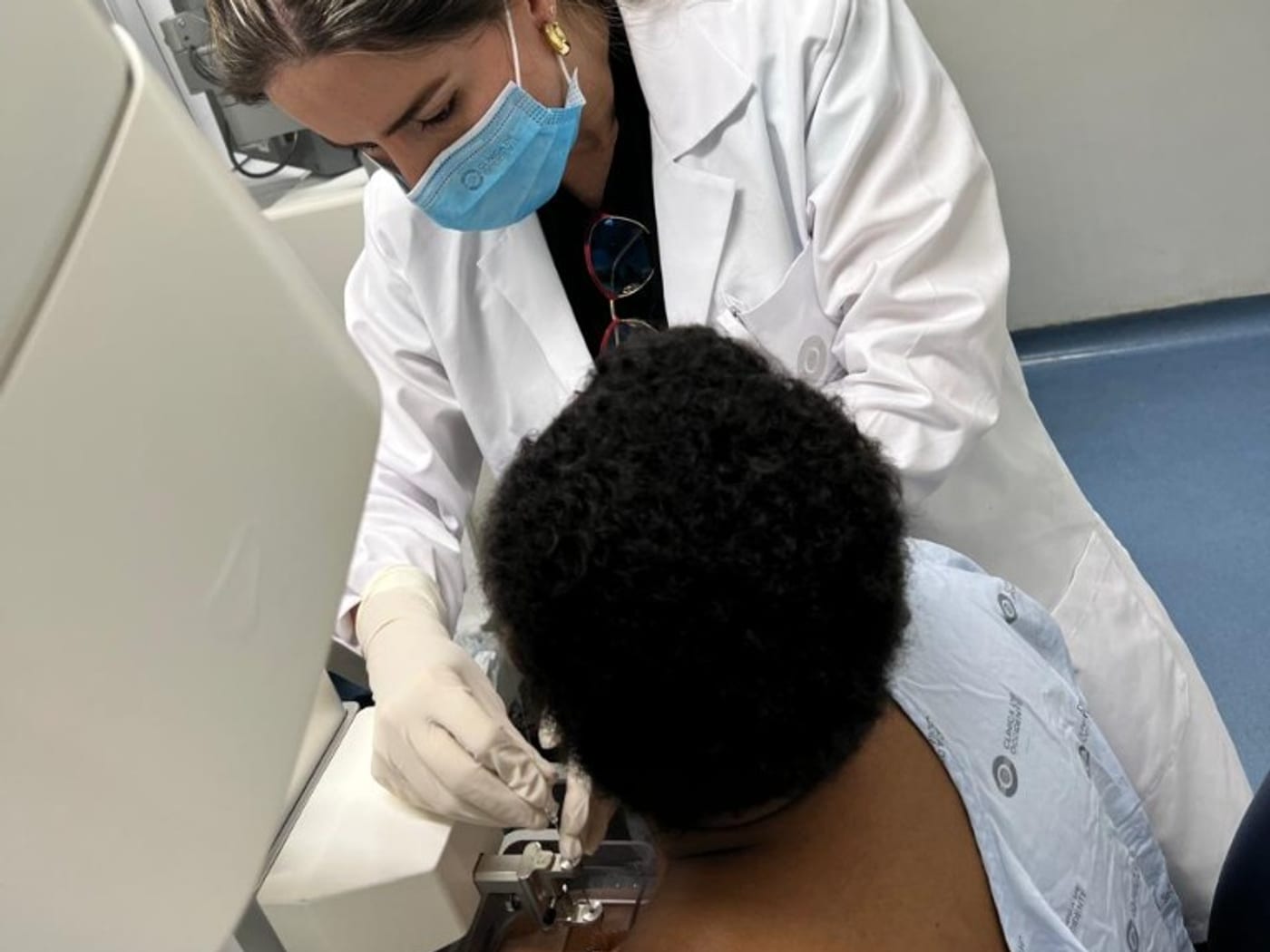
You do not need a named story to understand the value of arriving on time. In breast health the pattern repeats: a routine screen shows a small finding; the team characterises it; if needed, an outpatient biopsy confirms the diagnosis; treatment starts before disease advances.
What changes with early detection
Findings identified in early stages often allow:
- More conservative surgery when indicated.
- Less aggressive treatment in many scenarios.
- Better planning among radiology, gynecology, oncology, and the rest of the team.
- Less prolonged uncertainty: a clear map of next steps.
That does not guarantee a specific outcome for every person — each case is unique — but it opens options that narrow when diagnosis comes late.
The chain we can control
- Attend screening at the age and interval your physician or applicable guidelines indicate for your risk.
- Do not normalise symptoms (lump, retraction, discharge, skin change).
- Keep and compare prior studies.
- Complete the workup if extra views, ultrasound, or biopsy are requested: postponing is the greatest modifiable risk.
- Work with a team that shares one clinical language (imaging + clinic + pathology).
Why we tell this without inventing a “case”
At Almavita we do not publish patient stories without written authorisation. We prefer to explain the clinical principle behind so many favourable pathways: opportunity. If a patient later authorises sharing their experience, we will do so with explicit consent and without identifying data against their will.
What you can do this week
Check when your last mammogram or breast ultrasound was. If you are in screening age, have family history, or noticed a change, book an assessment with the breast pathology team.
Note: educational text. It does not describe an identifiable real clinical case and does not replace personalised medical advice.