Educational
Lower Back Pain: Why Prolonged Rest Is No Longer Recommended
Dra. Katalina Espinosa · August 6, 2026
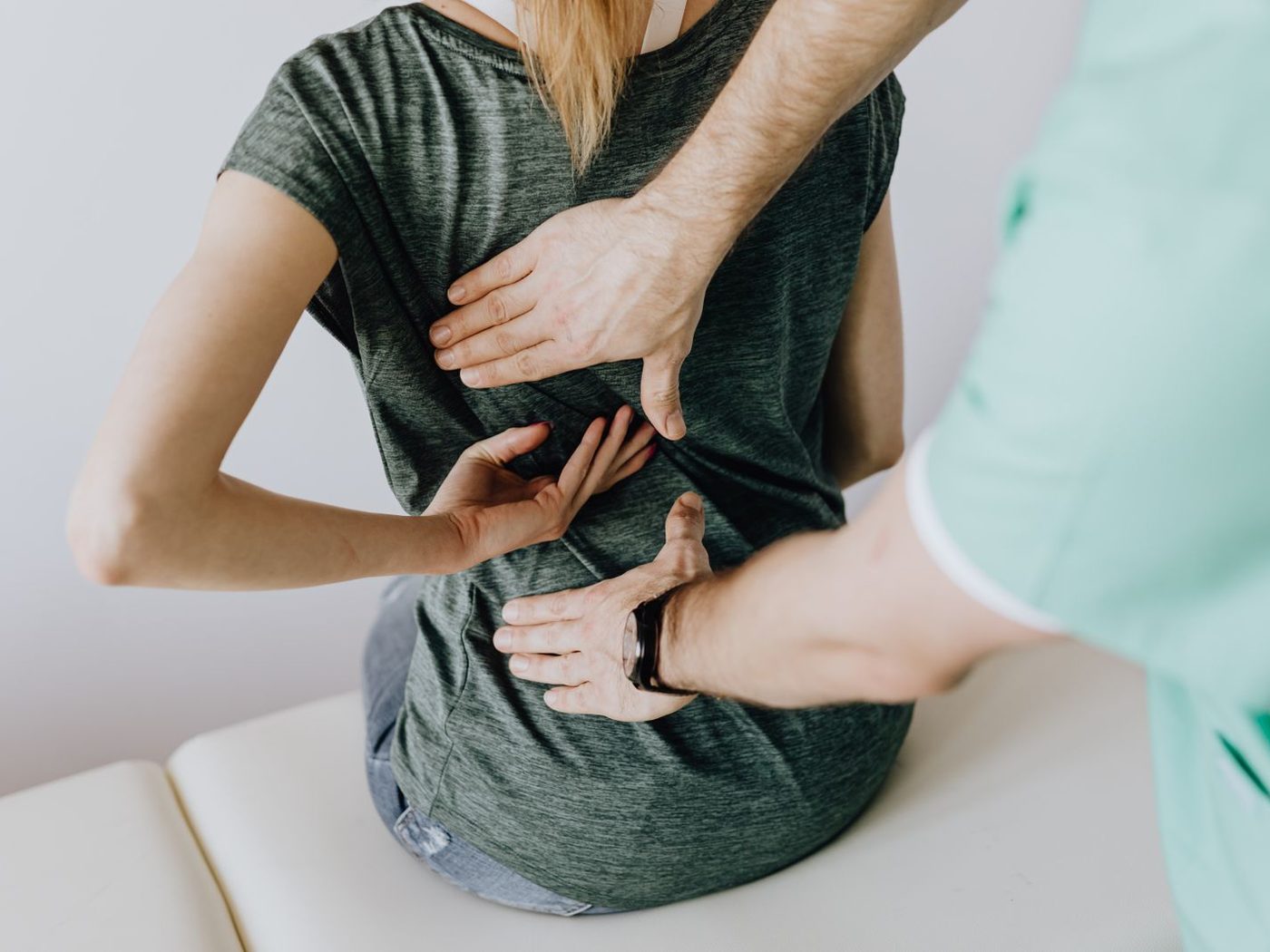
For decades, “bed rest” was advised for low-back pain. We now know prolonged rest often delays recovery: it deconditions muscle, increases fear of movement, and does not treat the mechanical or sensory drivers of pain.
What current evidence says
For most nonspecific low-back pain (without serious neurological red flags), gradual movement, pain education, and dosed therapeutic exercise are the foundation of non-pharmacological care. The goal is not to “push through at all costs,” but to rebuild confidence and muscle control with a safe progression.
That does not mean ignoring intense acute pain: the first hours may need symptom relief and a pause from high-impact activity. The key is not turning that pause into weeks of immobility.
When urgent evaluation is needed
Seek care promptly if there is:
- Leg weakness, foot drop, or difficulty walking.
- Sphincter change or saddle anaesthesia.
- Fever, major trauma, cancer history, immunosuppression, or progressive night pain.
- Pain that steadily worsens despite initial measures.
Those signs are not “worked out at the gym”: they need medical assessment and imaging when indicated.
What physiatry does
Physical medicine and rehabilitation assesses pain pattern, mobility, strength, motor control, and work or sport factors. It may prescribe:
- Individualised therapeutic exercise (mobility, stabilisation, strength).
- Ergonomic and spinal hygiene education.
- Pain management (including electrodiagnostic studies when radiculopathy or neuropathy is suspected).
- Progression back to work or sport.
A generic “do planks and yoga” plan does not replace a prescription matched to your capacity and diagnosis.
Habits that help (and do not replace a doctor)
Keep short frequent walks, change posture at work, organise load when lifting, and sleep in a position that does not increase pain. Avoid extreme cycling or maximal lifts on the day of a flare if you have not been evaluated yet.
At Almavita
Dr. Katalina Espinosa, specialist in Physical Medicine and Rehabilitation, guides low-back pain care and therapeutic exercise prescription. Book via WhatsApp if pain limits daily life or keeps returning.
Note: general information. Do not start intense exercise without assessment if you have red flags or a recent spinal diagnosis.