
Educational
Endometriosis: When Pelvic Pain Has a Name and Effective Solutions
Dra. Amira Latorre · August 14, 2026
Endometriosis occurs when tissue similar to the endometrium grows outside the uterus. It can cause intense menstrual pain, pain with intercourse, cyclical bowel or urinary symptoms, and infertility. It is not “just a heavy period”: it deserves serious evaluation.
Why diagnosis is often delayed
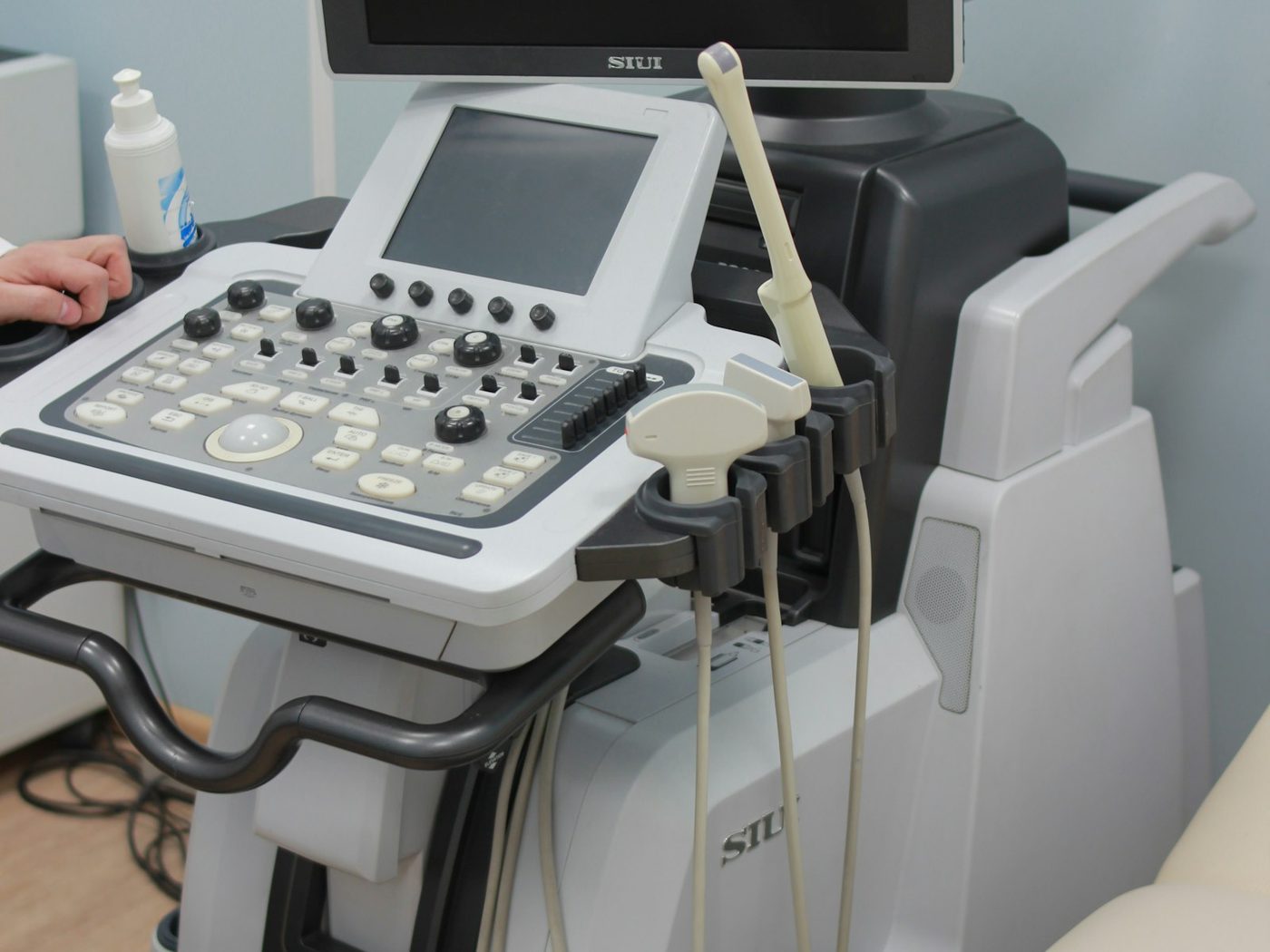
For years laparoscopy was the gold standard. Many people lived with unnamed pain while waiting for surgery “to find out.” Today, transvaginal pelvic mapping ultrasound by trained operators — and MRI when needed — can suspect and even map deep endometriosis before operating.
Mapping does not invent the diagnosis alone: it is integrated with history, exam, and other tests when appropriate. But it changes the conversation: planning medical or surgical treatment with a map reduces surprises in the operating room.
Symptoms that warrant consultation
- Dysmenorrhea that limits school, work, or sleep.
- Chronic or cyclical pelvic pain.
- Deep dyspareunia.
- Infertility or recurrent loss.
- Digestive or urinary symptoms that worsen with menstruation.
- Family history of endometriosis.
Keep a short pain diary (intensity, cycle day, relation to bowel or bladder): it helps the specialist.
What the imaging study involves
Mapping explores uterus, ovaries, rectovaginal septum, uterine ligaments, bladder, and sites where deep disease often implants. Mild bowel preparation may be required per centre protocol. It is not the same five-minute “routine” gyn ultrasound: ask explicitly for endometriosis-oriented evaluation if that is your reason for visit.
Treatment approaches (overview)
Depending on extent and goals (pain relief, fertility, quality of life), the plan may include analgesics, hormonal contraception or other medical therapies, pelvic-floor physiotherapy, and — in selected cases — surgery by an experienced team. There is no single solution for everyone: follow-up is part of care.
At Almavita
Gynecologic endocrinology and endometriosis care are part of Dr. Amira Latorre’s practice. If you have lived with pelvic pain for years without clear answers, book an assessment and bring prior studies.
Note: educational information. Diagnosis and treatment are defined by your gynecologist after in-person evaluation.