Educational
Thyroid Nodules: When to Consult, Diagnostic Workup, and Clinical Meaning
Dr. Andrés Felipe García · August 10, 2026
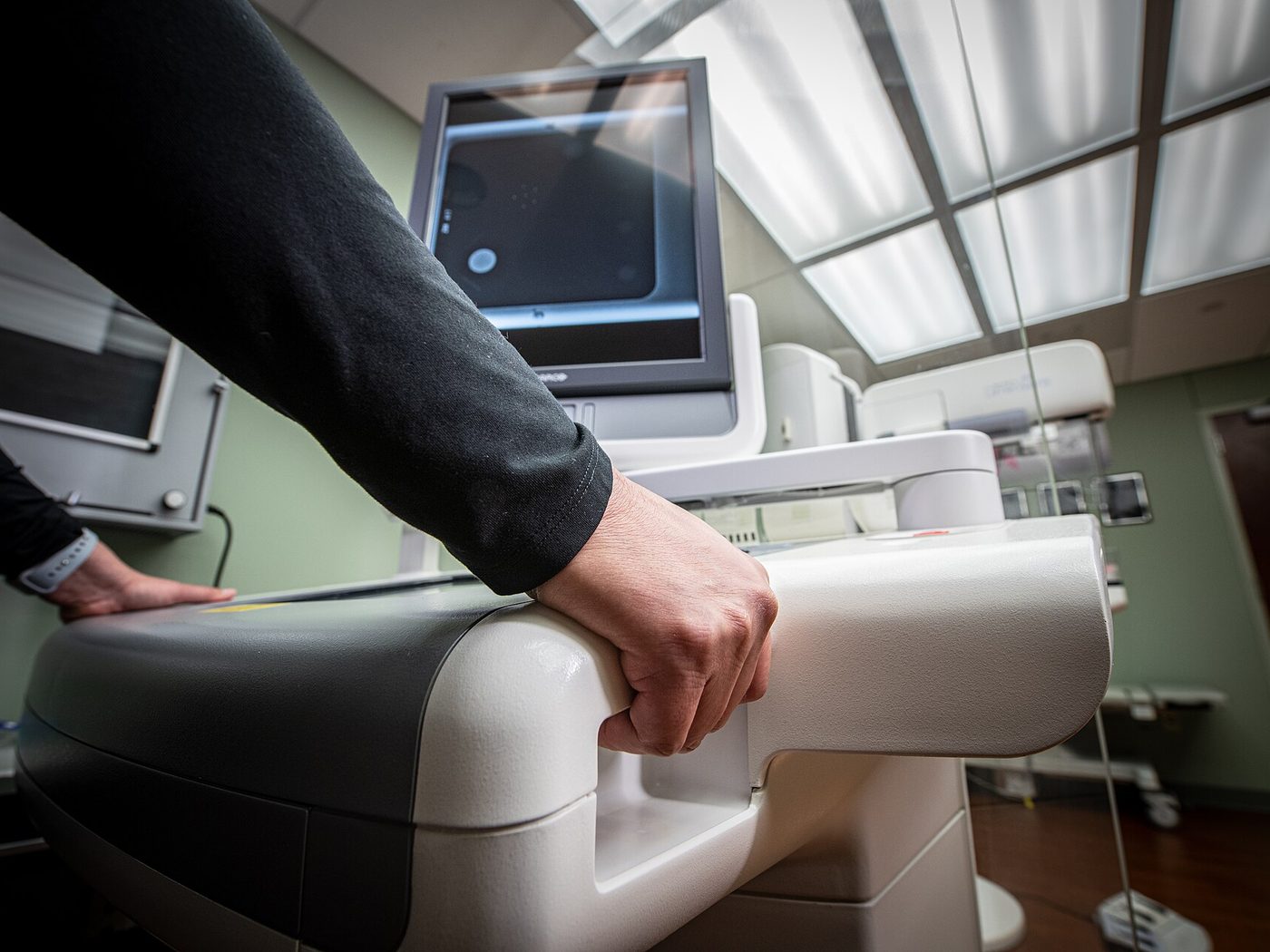
Thyroid nodules are common and, in the vast majority of cases, benign. The goal of workup is not to “operate on everything seen,” but to classify risk and decide carefully among observation, fine-needle sampling, or treatment.
How they are found
They may be felt in the neck, appear on ultrasound ordered for another reason, or associate with compressive symptoms (swallowing discomfort, cough, voice change) or thyroid dysfunction. Many are asymptomatic.
If you notice a neck lump, visible enlargement, persistent swallowing difficulty, or voice change, seek care. Endocrine evaluation is also wise if a nodule was already reported and you do not know the follow-up interval.
The role of ultrasound
Ultrasound describes size, composition (solid, cystic, mixed), margins, echogenicity, calcifications, and vascularity. Systems such as TIRADS (and variants) assign suspicion categories that guide whether follow-up is enough or FNA (fine-needle aspiration) is warranted.
A “suspicious” nodule on imaging is not synonymous with cancer: it means the benefit of a cytology sample outweighs observation alone. Your endocrinologist correlates imaging with TSH and the rest of the clinical picture.
When is biopsy done?
The decision combines size, ultrasound category, and risk factors (prior neck radiation, family history of medullary cancer or related syndromes, suspicious nodes, etc.). Purely cystic nodules with benign features are often followed without FNA. Solid nodules with high-risk features are evaluated at lower size thresholds.
FNA is outpatient, with or without local anaesthesia per protocol, and classifies material (for example with the Bethesda system) to decide observation, repeat sampling, molecular testing, or surgery.
Thyroid function and nodules
A nodule may coexist with hypothyroidism, hyperthyroidism, or normal function. If hyperthyroidism is present, a “hot” (autonomous) nodule may be studied with scintigraphy before FNA. Do not self-medicate with thyroid hormone or iodine “just in case.”
Sensible follow-up
Many benign nodules only need periodic ultrasounds to watch size and appearance. Surgery is reserved for malignant or high-risk indeterminate cytology, compressive symptoms, informed patient preference, or other clear indications — not to “remove doubt” from every small low-risk nodule.
At Almavita
Dr. Andrés Felipe García, internist and endocrinologist with emphasis on oncologic endocrinology, evaluates nodules and complex thyroid disease. Book via WhatsApp and bring your latest ultrasound and lab reports.
Note: educational content. Management of a specific nodule is defined by your endocrinologist.